













ERP for SMEs in India: What Should a CEO Expect Before Investing?
Choosing an ERP for an SME in India is no longer simply a software purchase. For a CEO, it is a decision about how the company will control finance, inventory, production, sales, purchasing, people, compliance, and business growth without adding…
AI-Powered Accounting ERP: How Businesses Can Reduce Errors and Improve Financial Control
A finance team can spend hours correcting accounting errors that should never have happened in the first place. A duplicate invoice, an incorrect ledger entry, an unreconciled bank transaction, or an approval that remains pending can quickly affect…
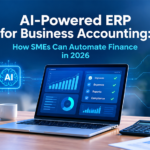
AI-Powered ERP for Business Accounting: How SMEs Can Automate Finance in 2026
For many SMEs, the finance team still spends too much time entering invoices, matching payments, checking ledgers, preparing reports, following up on receivables, and correcting data that should have been accurate from the beginning. As transaction…
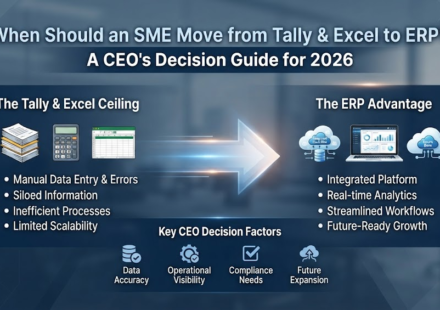
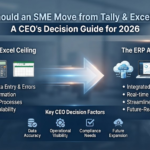
When Should an SME Move from Tally & Excel to ERP? A CEO’s Decision Guide for 2026
For many Indian SMEs, Tally and Excel remain part of everyday business operations. Tally handles accounting, invoicing, GST, banking and inventory, while Excel fills the gaps for production planning, sales analysis, costing, procurement, HR, customer…
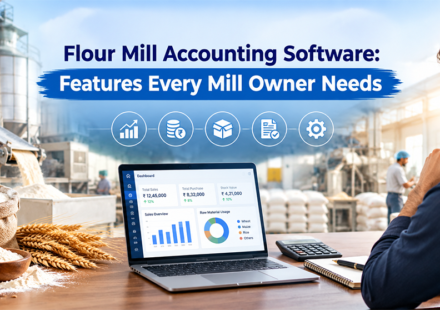
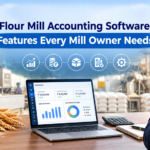
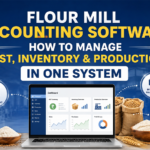
Flour Mill Accounting Software: Features Every Mill Owner Needs
Running a flour mill involves far more than recording sales and expenses. Wheat procurement, stock valuation, milling production, wastage, by-products, customer orders, GST compliance, payments, and profitability all directly influence one another.…
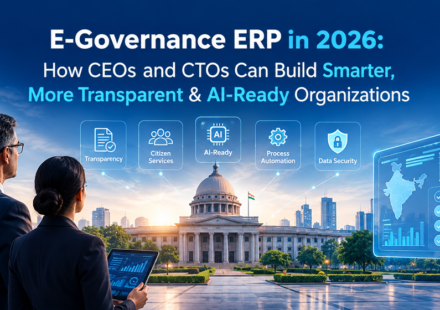
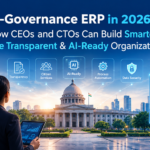
E-Governance ERP in 2026: How CEOs and CTOs Can Build Smarter, More Transparent & AI-Ready Organizations
A CEO does not need another dashboard showing yesterday’s numbers. A CTO does not need another disconnected application that creates another integration problem. What leadership needs is a reliable digital foundation where finance, procurement, human…
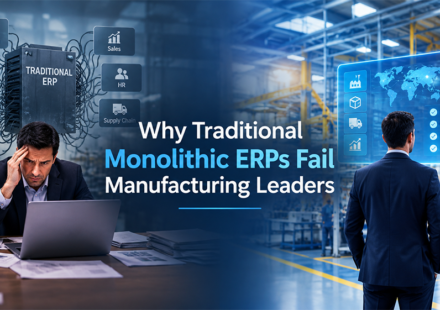
Why Traditional Monolithic ERPs Fail Manufacturing Leaders
Manufacturing leaders rarely replace a traditional monolithic ERP simply because they dislike the software. They replace it when the system starts limiting how the business operates. Production teams may need different workflows for different product…
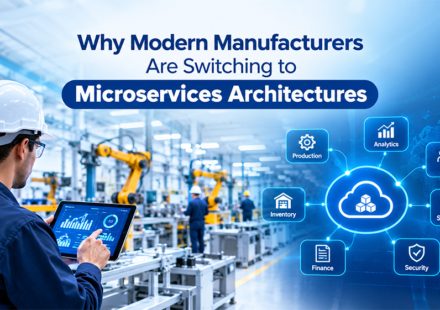
Monolithic vs. Composable ERP: Why Modern Manufacturers Are Switching to Microservices Architectures
A manufacturing company rarely changes its ERP because everything is working perfectly. More often, the problem starts with one department. Production needs real-time visibility. Finance needs accurate costing. Warehouse teams need faster inventory…
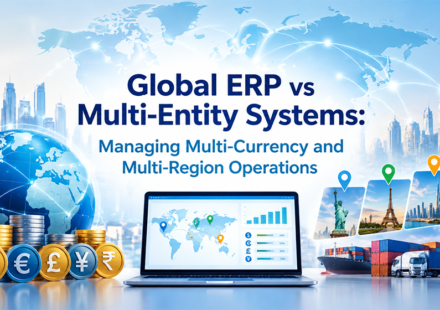
Global ERP vs Multi-Entity Systems: Managing Multi-Currency and Multi-Region Operations
A company can operate in five countries and still struggle to answer a simple question: “What is our actual consolidated financial position right now?” The problem usually is not a lack of accounting software. Instead, it is the growing complexity…
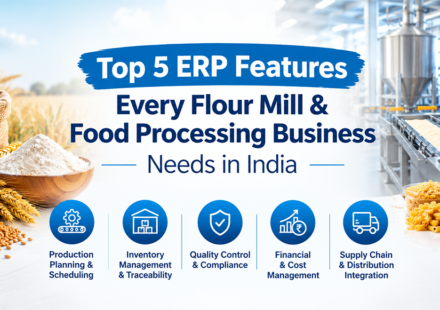
Top 5 ERP Features Every Flour Mill & Food Processing Business Needs in India
A flour mill or food processing business can lose margin without realizing where it happened. Grain prices change, moisture affects yield, production losses vary between batches, inventory sits longer than expected, customer orders change suddenly, and…