
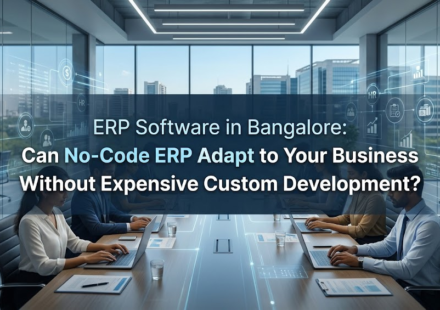
ERP Software in Bangalore: Can No-Code ERP Adapt to Your Business Without Expensive Custom Development?
ERP software in Bangalore helps businesses connect finance, inventory, sales, purchasing, and operations in one integrated system. However, as companies grow, changing workflows, new approval rules, and evolving reporting requirements can make…
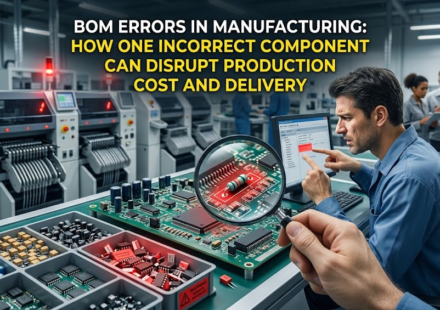
BOM Errors in Manufacturing: How One Incorrect Component Can Disrupt Production Cost and Delivery
A manufacturing order can look profitable on paper and still lose money on the production floor. Sometimes, the problem is not a machine breakdown, a supplier delay, or an unexpected customer change. Instead, it starts with one incorrect quantity, an…
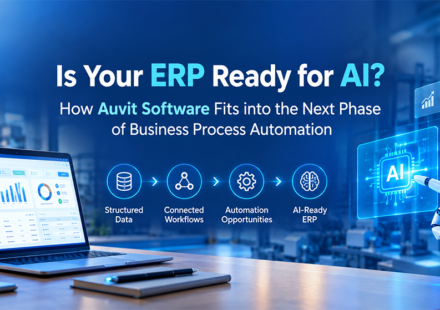
Is Your ERP Ready for AI? How Auvit Software Fits into the Next Phase of Business Process Automation
Artificial intelligence is creating new opportunities for businesses to automate decisions, identify operational risks and improve productivity. However, many companies face a problem before they even begin implementing AI: their business data is…
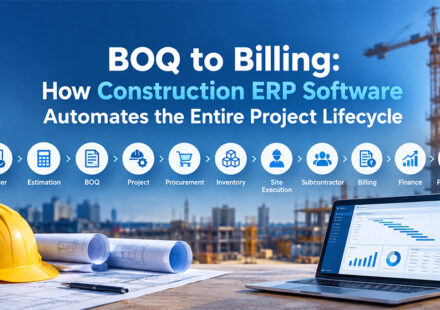
BOQ to Billing: How Construction ERP Software Automates the Entire Project Lifecycle
A construction project can look profitable on paper and still lose money before completion. The problem is rarely one major mistake. Instead, profitability often disappears through small gaps between estimation, BOQ, procurement, inventory, site…
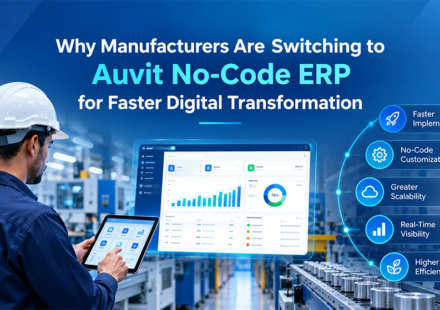
Why Manufacturers Are Switching to Auvit No-Code ERP for Faster Digital Transformation
Understanding the Digital Deadlock in Modern Manufacturing Traditional manufacturing floors run on a complicated mix of legacy systems, disconnected spreadsheets, and rigid software applications that fail to communicate with one another. When material…
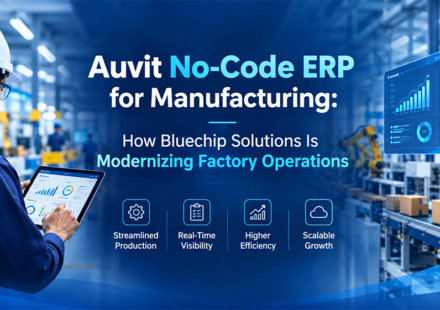
Auvit No-Code ERP for Manufacturing: How Bluechip Solutions Is Modernizing Factory Operations
Manufacturing companies rarely struggle because they lack software. More often, they struggle because the software they already use does not move at the same speed as the factory. Production teams may still depend on spreadsheets for planning. Purchase…
The Future of Enterprise Operations: How AI-Powered No-Code ERP Is Driving Growth
Enterprise growth is no longer determined only by how much a company sells. Increasingly, growth depends on how quickly the business can understand information, respond to change, automate repetitive work, control costs, and make decisions across…
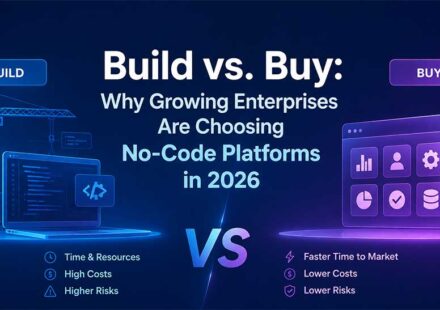
Build vs. Buy: Why Growing Enterprises Are Choosing No-Code Platforms in 2026
For a growing enterprise, the software decision is rarely as simple as “build or buy.” The real question is whether the business can keep adapting when processes change, customers expect faster service, regulations evolve, and technology teams are…
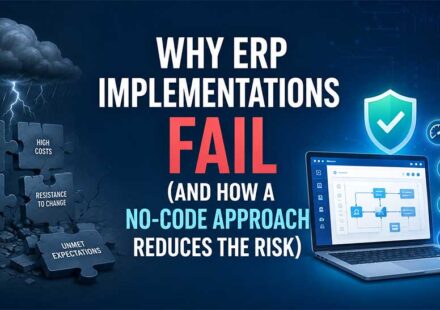
Why ERP Implementations Fail (And How a No-Code Approach Reduces the Risk)
ERP implementation is supposed to bring finance, operations, inventory, sales, purchasing, production, and reporting together. Yet many businesses discover that buying an ERP is easier than making it work. ERP implementation failure can occur when…
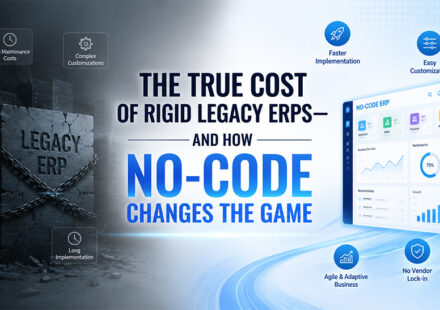
The True Cost of Rigid Legacy ERPs—And How No-Code Changes the Game
A legacy ERP rarely becomes expensive because of its original purchase price. Instead, the real cost appears years later through customization, maintenance, integrations, workarounds, slow reporting, upgrade difficulties, and the growing dependence on…